What Actually Happens When a Commercial Photographer in Toronto Shows Up to Your Business
I spent over a decade running a restaurant before I picked up a camera for money. That life taught me something that never left. Anything that looks effortless has hours of invisible work holding it up. A shoot day is no different, and most people picture it completely wrong.

They picture a photographer walking in, snapping some shots, and walking out an hour later with a memory card full of magic. That's not a shoot day. That's the trailer, not the movie.
As a commercial photographer in Toronto who's shot for restaurants, breweries, clinics and product companies across the GTA, I can tell you what actually fills the hours nobody sees.
The morning starts before the camera comes out
I show up early. Not fashionably early, actually early. There's gear to unload, lighting to test, and a location to look at with fresh eyes even if I scouted it a week before.
Something always changed. The light coming through that window isn't what it was during scouting. A shelf got moved. Someone repainted a wall a shade of grey I didn't sign off on. None of this is anyone's fault. It's just what happens when real businesses keep operating in the space you're trying to photograph.
So before a single frame gets taken, I'm rebuilding the plan I already made. Quietly, so the client doesn't panic.
Setup eats the day, not shooting
Here's the part that surprises people every time. On a typical half day, I might spend three hours setting lights, testing exposures, adjusting a product on a table by fractions of an inch, and only forty minutes actually firing the shutter with the client watching.
When I shot food, this used to drive chefs crazy. I get it, I was one. You plate something beautiful and it starts dying the second it hits the table. Steam disappears. Sauce sets. Garnish wilts. The chef wants it shot now. I need the light dialled in before now happens.
Same thing with product work. A bottle looks fine to the eye and terrible through a lens until you kill three reflections you didn't know existed. Skincare packaging is brutal for this, glossy surfaces throwing light everywhere. Jewellery is worse.
The client sees me nudge a light stand two inches and think nothing happened. That two inches is the difference between a photo that sells and one that sits on a website looking flat.
Somebody always has to run the room
On a lot of shoots I'm not just handling the camera, I'm managing a small, temporary production. Staff pulled off their real jobs to hold a reflector or move furniture. An owner hovering because they've never done this before and don't know what's normal. A manager checking their phone every four minutes because the shoot is running long and they've got a business to run.
My restaurant years are the reason I can handle this part without losing my mind. Running a kitchen for years means you already know how to keep six things moving while pretending you're calm. A shoot day is that same skill pointed at lighting instead of ticket times.
I've had shoots where the biggest challenge wasn't the photography at all. It was gently telling an anxious owner to step back so I could actually see the shot. That's a harder conversation than any lighting problem.
Why the day costs what it costs
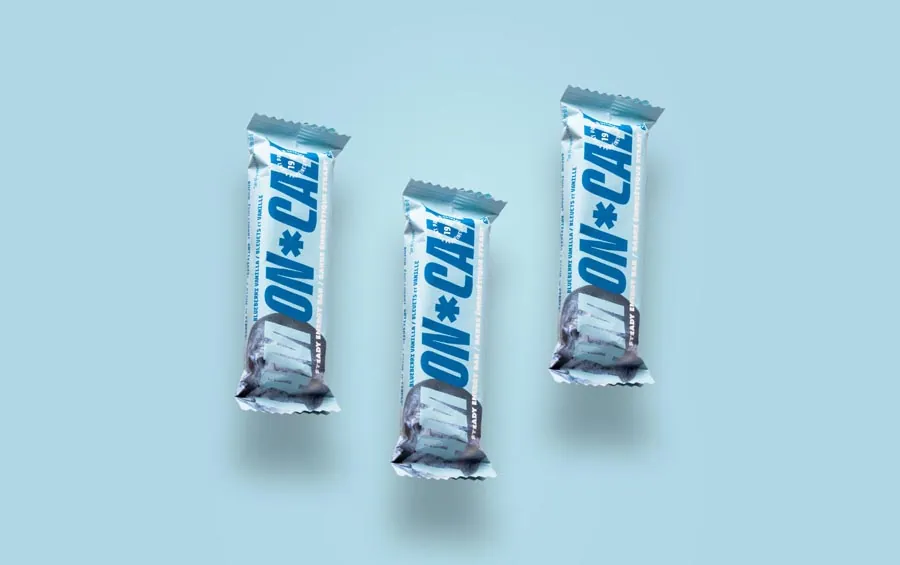
A half day shooting product or food for a business usually runs from $1,500 to $2,800 depending on what's involved, and people occasionally balk at that until I walk them through where the hours actually go. It's not two hours of clicking. It's scouting, setup, problem solving on the spot, shooting, and then editing afterward that takes far longer than the shoot itself did.
Compare that to hiring someone with a decent camera and no experience running a shoot day. They'll charge a fraction of what a professional does, and you'll usually get photos that look like a fraction of the work went into them too. That's not snobbery, it's just what happens when nobody's managing the light, the room, or the twelve small disasters that show up between nine and noon.
The part that actually matters
By the time I'm packing up gear, the client has usually forgotten how long the morning felt. They're looking at a screen full of images that look clean, considered, and worth the wait. Nobody remembers the light stand that fell over, or the extension cord that wasn't long enough, or the fact that lunch showed up cold because we were still adjusting a hero shot.
That's fine by me. I'm not there to be remembered. I'm there so the photos are.
What I do wish more business owners understood going in is that the shoot day isn't a performance for their benefit. It's a slow, occasionally boring process of getting one thing exactly right before moving to the next. If it looks dramatic on the day, someone's probably doing it wrong.
I've made peace with the fact that the best days on set are the quietest ones. Nobody wants excitement from their photographer. They want the shot.
All posts