Retail Photography in Toronto: Why Your Store Never Looks As Good on Camera As It Does in Person
I spent over a decade running a restaurant before I ever picked up a camera for a living, so I know what it's like to stand inside a space you built with your own hands and watch it refuse to translate to a screen.
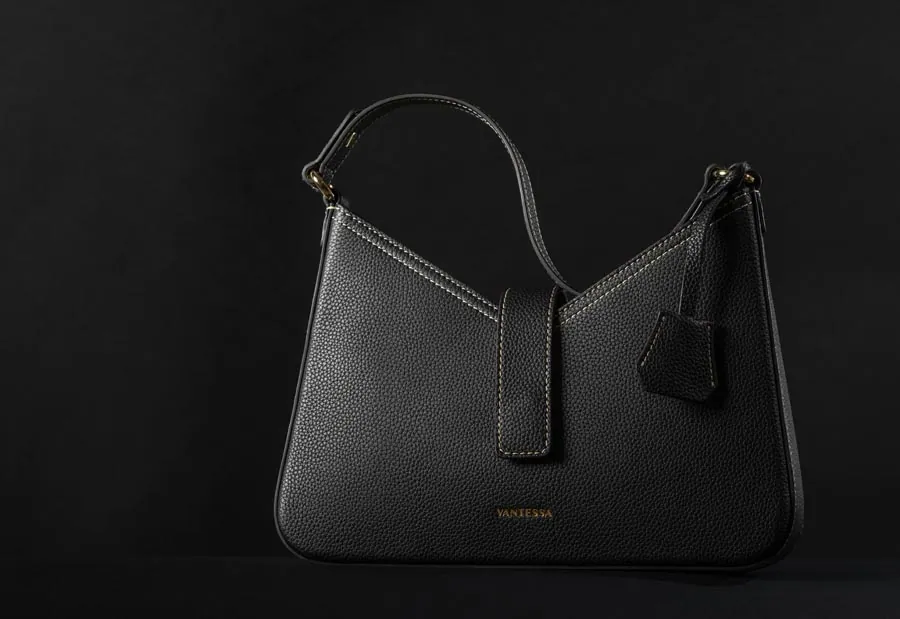
Retail spaces photograph badly. Almost all of them. I've shot retail photography across Toronto and the GTA for years now, and the pattern never changes. The owner walks the store, looks at the photos on my screen, and says some version of "it doesn't look like that in person." They're right. It doesn't. Here's why.
Your lighting is fighting itself
Most retail spaces run three or four light sources at the same time. Overhead fluorescents. Track spots aimed at product. Daylight through the front window. Maybe a warm accent bulb somewhere for mood. Your eye blends all of that automatically and never tells you it's doing it. A camera sensor doesn't have that mercy. It picks one white balance and everything else drifts, green under the fluorescents, orange under the spots, blue near the window. That's the sickly, uneven look you see in your own product shots, and it has nothing to do with the products themselves.
Standing in the store, you never notice this. You're a person, not a sensor. The moment I set up a camera on a tripod and start correcting for it, the problem becomes obvious, and slightly insulting, because now you can see what your customers have been seeing on their phones for months.
Scale lies to you inside your own store
When you stand in a retail space, you feel its size with your whole body. Footsteps to the back wall. Peripheral vision picking up racks on either side. Sound bouncing off the ceiling. A photograph collapses all of that into a flat rectangle taken from one fixed spot. A shop that feels open and generous in person can look like a narrow hallway in a photo, and there is nothing wrong with the shop. There is something wrong with photographing a three-dimensional experience as if it were two-dimensional information.
This is why wide phone shots of a whole store almost always look worse than a few tighter, considered images. The wide shot is trying to prove the store is big. The tight shot is trying to make you want to be in it. Those are different jobs.
Retail photography in Toronto has to fight clutter, not just light
Retail spaces are built to hold volume. Racks, shelves, mirrors, signage, price tags, that little bowl of mints by the register. All of that serves a purpose when a customer is walking the floor and scanning with their own attention. None of it serves a purpose in a photo, because a photo can't scan. It just shows everything at once, flatly, with equal weight. A mirror in the background becomes a second, distracting version of the room. A cluttered shelf edge competes with the product you actually want someone to notice. Nobody chose to make the mirror the subject. The camera didn't know any better.
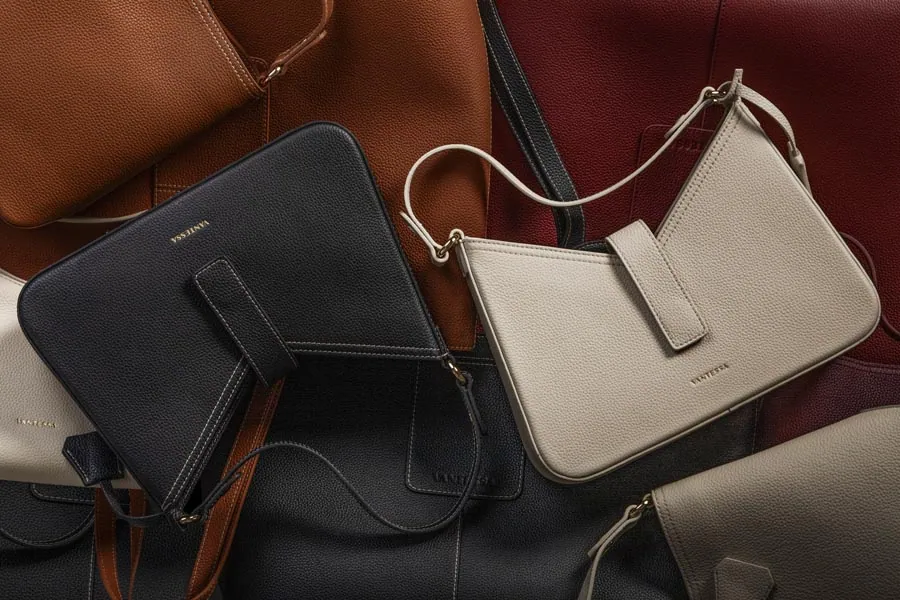
This is also why ceiling tiles, sprinkler heads, and exit signs end up starring in more retail photos than any of us would like. In person you never look up. A wide lens looks up whether you want it to or not.
What actually fixes it
None of this means retail spaces are unphotogenic. It means they need someone choosing angles, killing mixed light sources, and deciding what the photo is actually for before the shutter goes. A proper retail shoot in the GTA, done with lighting control and real editing, generally runs somewhere in the $1,500 to $3,000 range depending on the size of the space and how many looks you need. That's not a small number. Neither is the cost of a storefront that quietly convinces people online that it's smaller, dimmer, and messier than it actually is.
I used to think a well-run space would just naturally photograph well. Ten years in restaurants and several more behind a camera cured me of that particular optimism.
All posts