Packaging Photography in Toronto: A Box Is Not a Plate
I spent over a decade running a kitchen before I picked up a camera for a living. So when someone tells me a box of product should be the easy shoot of the day, the fast one, the one we can knock off in twenty minutes, I get a little twitchy.
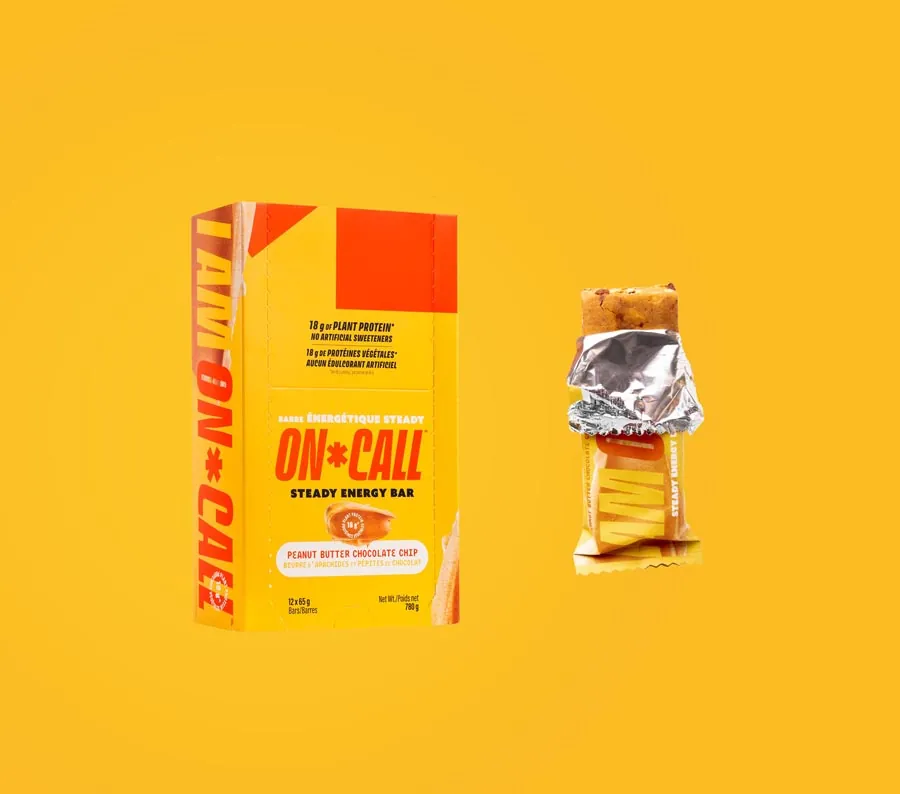
Packaging photography in Toronto gets treated like the warm-up act. It isn't. It's often the hardest thing on the call sheet, and I say that having shot flaming pans and pints of beer that die if you look at them wrong.
Here's the problem. A plate of food has steam, texture, a hero angle you can lean into. A cocktail has bubbles and colour doing half the work for you. A box just sits there. Flat. Rigid. Completely unforgiving.
A box has nowhere to hide
When I shoot a dish, I can angle around a flaw. Turn the plate, hide the chip, let the sauce cover the sins. A package doesn't give you that option. The label is square to the world whether you like it or not. Every dent in the corner, every bit of glare off the plastic, every smudge of glue where the seal wasn't quite right, it's all sitting right there in the frame with nowhere to run.
Glare is the one that gets people. Shiny packaging, foil pouches, laminated boxes, anything with a gloss finish, they all bounce light back at the lens in ways that ruin a shot before you even open the file. You can't just point a light at it and hope. I've spent more time than I'd like to admit walking a single light source a few inches at a time around a jar of skincare cream, watching the hot spot crawl across the label, trying to find the one position where the reflection disappears without killing the shine that makes the product look premium in the first place.
And then there's the label itself. Print colour and screen colour are not the same thing, not even close. A red that looks rich and appetizing on the box in your hand can shift toward orange or pink the second a camera sensor gets involved. I've had to reshoot product because the brand colour drifted just enough that it stopped looking like the brand.
Straight lines don't forgive anything
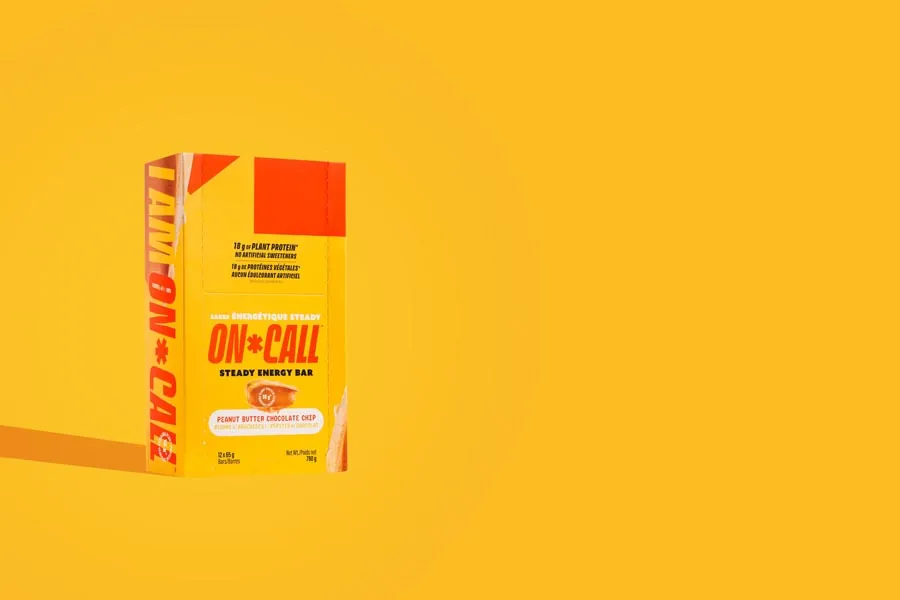
A burger doesn't care if it's tilted two degrees. A box absolutely does. Human eyes are tuned to notice when a rectangle isn't quite a rectangle, even if they couldn't tell you why the photo feels off. Shoot a package even slightly askew and it reads as sloppy, no matter how good the lighting is. So every edge has to be levelled, every label squared to the frame, and that takes real time when you're working with something that has zero forgiveness built into the shape.
Multiply that by a full line. A beverage can, a bakery box, a tray of packaged food for a grocery client, they all need to look like they belong to the same family. Same angle, same light, same colour balance across every single unit, because they're going to sit next to each other on a shelf page or a website grid and any inconsistency jumps out immediately. Consistency across a dozen SKUs is a different kind of work than making one hero shot look good.
Most businesses in the GTA underestimate this because the product photography they're used to seeing looks effortless. That's the whole point of good packaging photography. The effort is supposed to be invisible. Nobody looks at a clean shot of a skincare bottle and thinks about the hour spent chasing a reflection out of the cap.
Why I still charge properly for packaging work
I've had people push back on price for packaging shoots, assuming it should cost less than a full production shoot because there's no food styling, no models, no set to build. Fair assumption, wrong conclusion. A tight packaging shoot for a small line runs $1,500 to $3,000 depending on how many SKUs and angles are involved, and that number reflects the time spent on lighting and levelling, not the absence of a fancier setup.
A freelancer working out of a spare room might shoot the same box for a fraction of that, and sometimes the result is fine. But a fraction of a real shoot often shows up later as inconsistent colour across a product line, or glare nobody caught until the packaging was already printed and on a shelf in Vaughan or Mississauga.
I don't love saying this part, because it makes me sound precious about what is, at the end of the day, a photo of a box. But the box is doing a job. It's convincing someone standing in an aisle, or scrolling past on a phone, that what's inside is worth the price on the sticker. Ask any brand owner what a bad first impression on shelf costs them and they won't say it's cheap.
Still, every time a client books me for what they think is the easy job, I quietly know it's going to be one of the longer days.
All posts