Cafe Photography in Toronto: The One Mistake Every Coffee Shop Makes
I spent over a decade in restaurants before I picked up a camera for a living, so I've stood behind enough counters to know what actually moves.
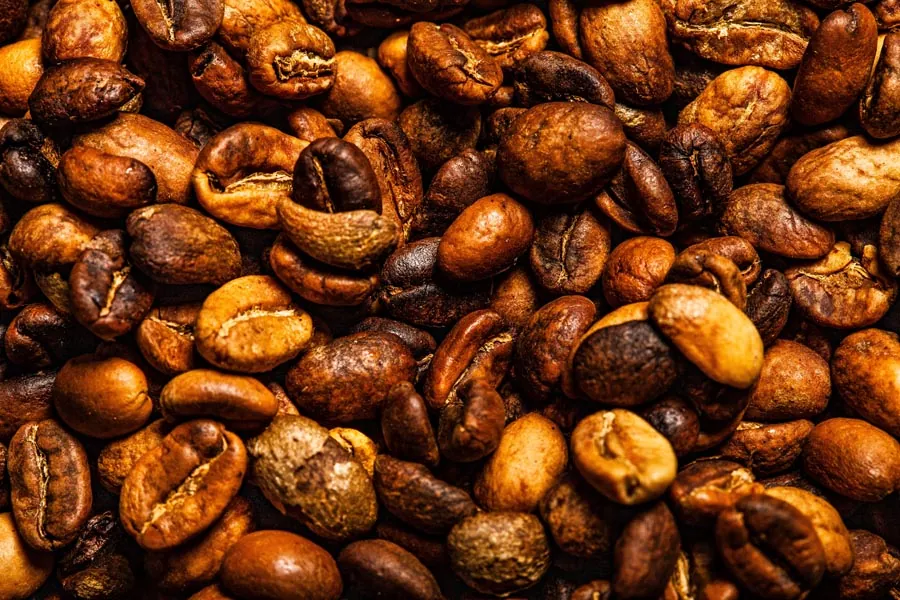
And what I see over and over, from Hamilton to Markham, is cafes pouring every ounce of photography effort into one shot. The latte. Top down, nice light, maybe a moody wood table underneath. It looks great on the account. It also tells a customer almost nothing about why they should walk in.
Cafe photography in Toronto has become one drink, shot a hundred different ways by a hundred different cafes, and it all starts to look the same.
Meanwhile the pastry case sits there unphotographed, or photographed once, badly, on someone's phone under fluorescent light two years ago.
The drink isn't the business
A latte is not what separates one cafe from the next. Every espresso machine in the city can pull a decent shot and pour a rosetta if the barista has practiced. What separates a cafe is the food case, the sandwich, the thing people actually spend money on beyond their morning coffee.
I've shot for bakeries and small cafe groups across the GTA, and the pattern is always the same. Someone spent real money getting a beautiful hero shot of a cappuccino for the wall behind the till or for one Instagram post. Then the croissants and the breakfast sandwich, the stuff on the menu board people actually order from, never got touched by a camera at all.
That's backwards. The latte photo doesn't sell anything, it's already assumed. Nobody walks past a cafe wondering if they serve coffee. What they're wondering, if they're wondering anything, is whether the food looks like it's worth the stop.
Light that only works for one hour doesn't work
The other version of this mistake is chasing window light. I get it, natural light looks soft and honest and doesn't need equipment. But if your whole photo strategy depends on the sun hitting a table at ten in the morning, you've built a system that only works for one hour, on days it isn't overcast, in a city where it's overcast a lot.
That means every time you need a new photo, for a seasonal drink or a new menu board or a social post, you're at the mercy of weather and time slots. Half the shots end up flat and grey. The other half get colour graded to death trying to fix it, and the pastries end up looking like they belong on a different planet than the drink beside them.
I light for consistency because a menu has to hang together. If your maple latte and your egg sandwich were shot four months apart in completely different light, on the app it reads as two different restaurants that got merged by accident.
What I actually do differently
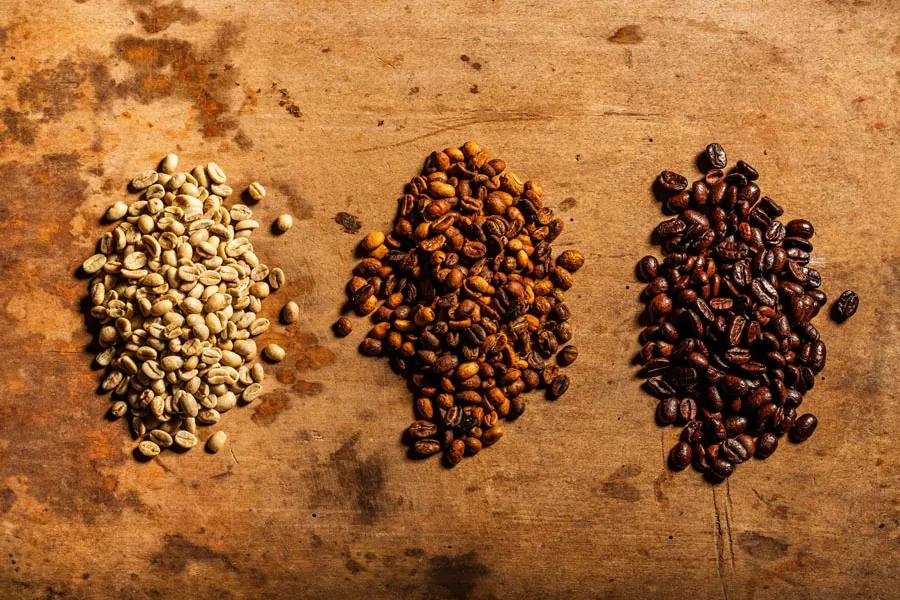
When I shoot for a cafe I ask what's actually driving revenue before I ask what they want on the wall. Usually it's the food case, the sandwiches, the pastries, the thing with margin attached to it. The coffee gets its shot too, because it should look good, but it doesn't get to eat the whole budget.
I also shoot the food case items in a way that holds up whether they end up on a delivery app thumbnail, a menu board, or a big print behind the register. That's not one photo, that's a small set built with the same light and the same treatment, so the whole menu reads as one place instead of a scrapbook.
A shoot like this for a single cafe location usually runs in the range of $1,500 to $3,000 depending on how many menu items are on the board, and it gets used everywhere, not just on one nice post that gets forgotten in a week.
I'll be honest, I don't think most cafe owners are wrong to love that latte shot. I love a good pour too, it's satisfying to watch and satisfying to shoot. But loving it isn't the same as it doing anything for the business. The croissant sitting next to it, ignored, unlit, is the one actually paying rent.
All posts